International Self-Care Day: July 24
Coined in the early 1950s, the term self-care has definitely traveled a lot back in history. Quite different from what it is understood today, self-care was initially used in terms to describe the activities of preservation and care cultivated by institutionalized patients. With the passage of time, the essence and value of self-care have immensely evolved, leading us to be more aware of and better adapt the same in our everyday lives. Self-care usually refers to the subtle process of caring for oneself by adapting health-promoting behaviors. This can be in several forms, ranging from adding workouts and yoga to the daily regime or changing food choices, following a balanced diet, sleep hygiene, and apt skin care. With increased attention and awareness of self-care among individuals today, self-care continues to be one of the major mediums of health care globally.
Highlights from the Newsletter
- What self-care is not!
- Self-care 101
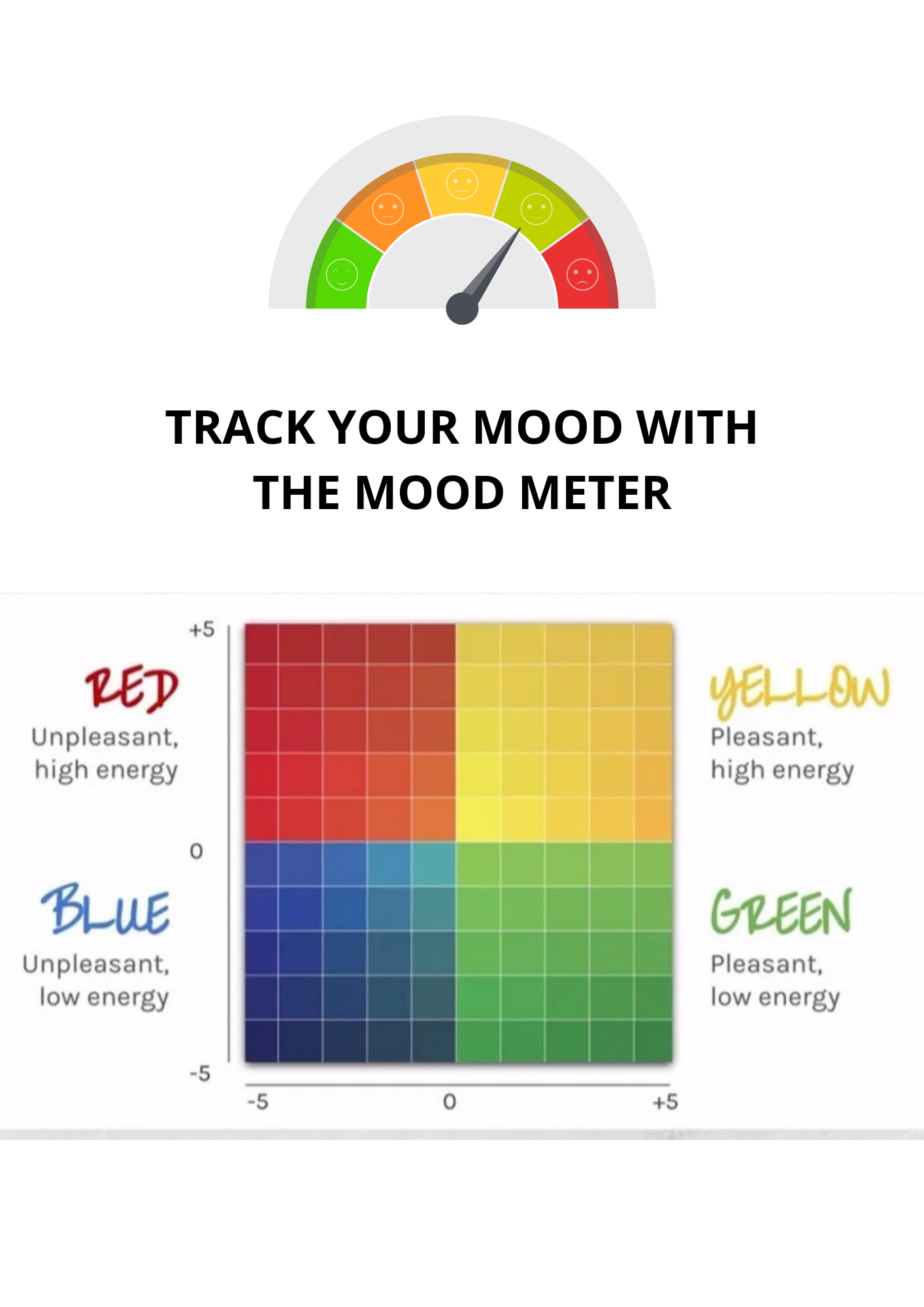
- Mood Meter
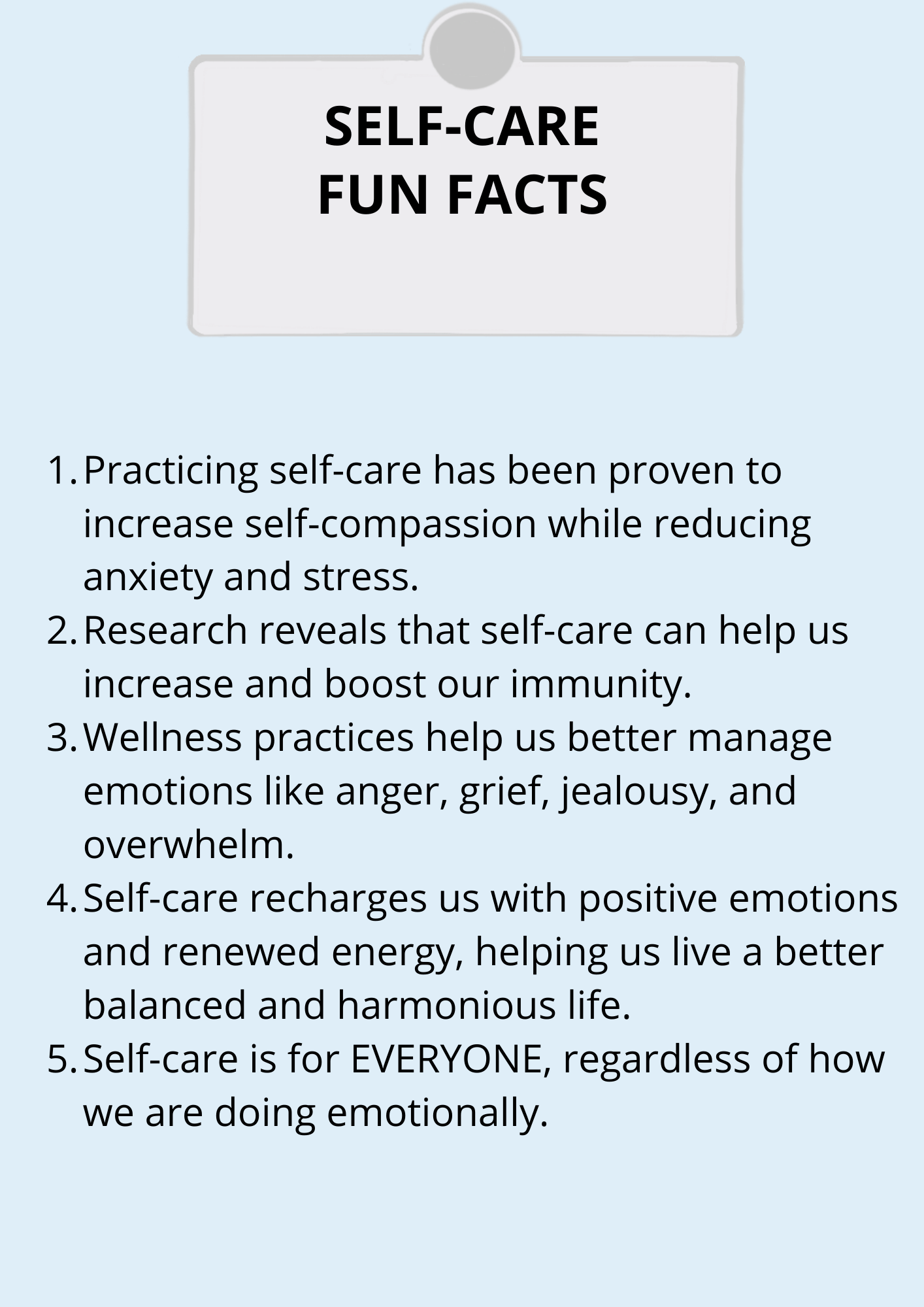
- Fun facts
- Famous Personalities
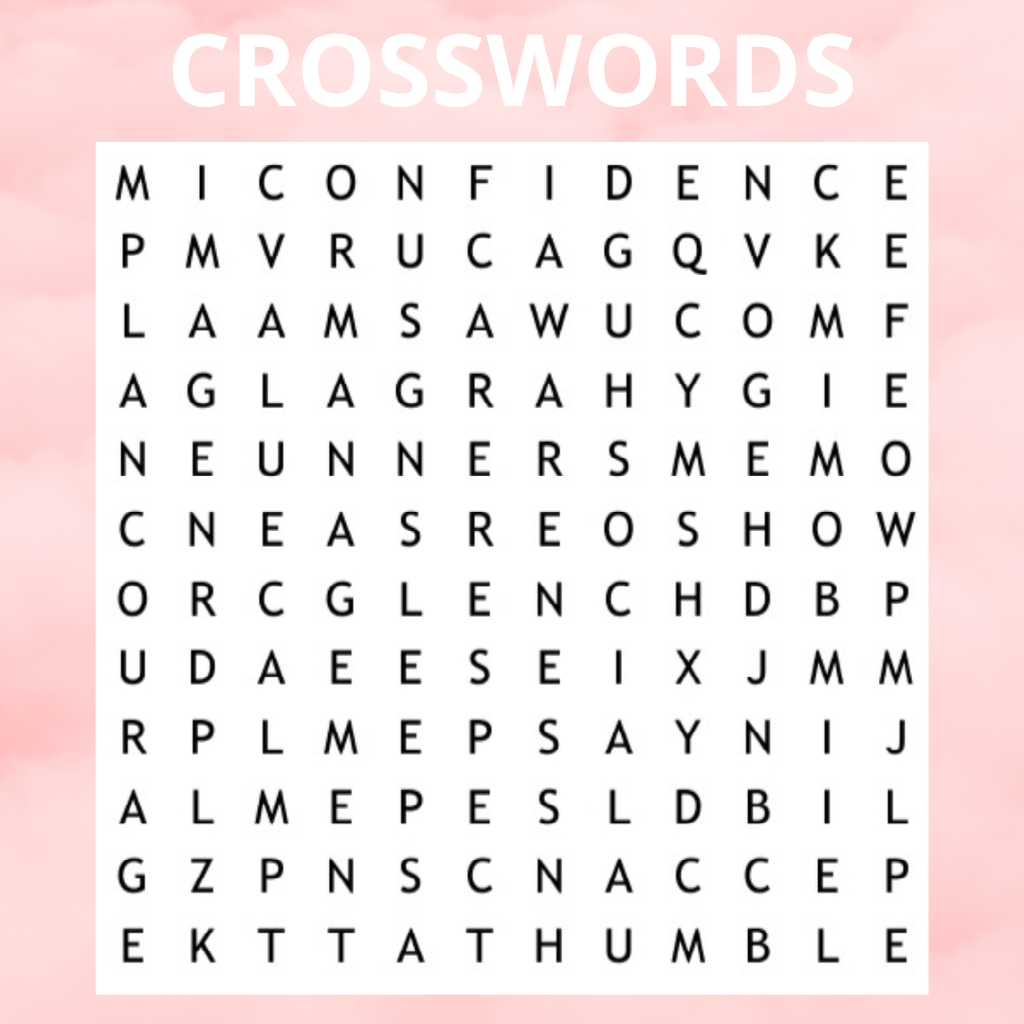
- Find the words: Psychology Edition
- Book of the Month
- Movie of the Month
- Upcoming Workshops: PsychLine.in
- InLine Exclusive: Ask us Anything
- Blog: The Emotions Experiment
- From the Founder
“Just when you feel you have no time to relax, know that this is the moment you most need to make time to relax.” — Matt Haig

What Self-Care Is Not!
Browsing through the internet or a flip of this newsletter, I am sure that you must have laid your eyes on what self-care is or different ways of practicing self-care. Let us try and understand it the other way around and be sure to remember what self-care is NOT.
Self-care is NOT always relaxing!
Contrary to popular belief, self-care may or may not be relaxing depending on how you choose to plan your self-care time. Self-care is not confined to the notion of bubble baths, face masks or gardening, all of which are perfectly fine ways of practising self care BUT NOT THE ONLY ONES. You could just decide to exercise everyday to care for your body if fitness is the goal!
Self-care is NOT Selfish!
Self-care is about making time for yourself where YOU are the priority. Be it 10 mins a day or 6 hours, you must understand that making time and caring for your own self can never be selfish. Remember how they say, you can’t pour from an empty cup, it holds true for your well-being as well.
Self-care is NOT a Reward!
Though it is common to associate ‘Me-Time’ with a reward, one should NOT. It is not self-care if it is practiced ONLY as a reward. You need not achieve something to allow yourself to practice self-care. Self-care is meant to be a part of your routine, your day, with no conditions attached to it. Practicing self-care consistently is a great way to prevent burnout and improve overall well-being.
Self-Care 101
Self-care is all about prioritizing our needs, focusing on things that nurture and nourish us, engaging in activities that make us feel fresh, sound, and rejuvenated, and add a sense of connection, belonging, and meaning to our lives. Self-care is tailored to you and does not have to look like your friends or influencers you follow online. Your idea of self-care can be taking a walk down your favorite park or having a delicious hot chocolate, or simply getting a hair spa! Self-care can also include drawing personal boundaries, investing in learning and development, visiting a therapist, and taking more significant measures to ensure your physical, mental, and emotional health.
Types of Self-Care:
- Physical: Yoga, rest, sleeping, stretching, and physical activities like walking and running.
- Emotional: Feelings of compassion, kindness, positivity, forgiveness, effective stress management, and emotional maturity.
- Personal: Getting in touch with your unique and personal identity, taking time out for your hobbies, understanding and respecting your true self.
- Space: Creating a safe and soothing place, maintaining a healthy and organized living environment, and stable and secure living space.
- Social: Learning to draw your boundaries, spending quality time together, asking for help when needed, communicating, and engaging in positive social media and support systems.
- Spiritual: Practicing meditation, yoga, journaling, spending some time alone in nature, having your sacred space, and connecting with oneself.
- Work: Learning effective time management skills, creating respectful work boundaries, taking breaks, and fostering a healthy work environment.
- Financial: Budgeting expenses, saving regularly, paying bills regularly, money management skills. The age-old phrase, “To each, their own.” seems so right when used in the context of self-care, which can be just anything for anyone.
Self-Care in a Few Words from Famous Personalities
Serena Williams
“I think self-care is very important to prioritize in life. When you make time for yourself, you feel like the best version of you and that extends into other facets of life. My self-care routine varies – whether I’m trying a new product or staying loyal to my feel-good classics like coconut oil, I always carve out moments to tend to myself and nurture my body.”
Prince Harry
“The importance of creating time in your day to take a breath and focus on the things that really matter, that builds up a certain amount of resilience.”
Oprah Winfrey
“I always give myself Sundays as a spiritual base of renewal—a day when I do absolutely nothing. I sit in my jammies or take a walk, and I allow myself time to BE—capital B-E—with myself. When I don’t, I absolutely become stressed, irritable, anxiety-prone, and not the person I want to be in the world.”
Jennifer Aniston
“My self-care is my morning routine. I don’t pick up my phone ’til I’m finished walking my dogs, feeding the dogs, meditating, journaling, making my coffee. You know, just having a nice clear head, and then I’ll go into the world, so to speak.”
Find the Words: Psychology Edition
.png)
Book of the Month
Atomic Habits
When talking about Self-care, the importance of it being a habit cannot be emphasized enough. James Clear gives us little tips to get on this journey of habit formation, and what better to start with than inculcating the habit of self-care!
Movie of the Month
Eat Pray Love
This movie takes us on the healing journey of a modern woman who takes a break from her job after a divorce. She experiences the simplest pleasures by eating in Italy, realizes the power of praying in India and heads on to find inner peace and love in Bali.
InLine Exclusive: Ask Us Anything
Does self-care require resources that you don’t have?
Self-care is free for all. One need not have fancy gadgets, long regimes, or material resources in order to practice self-care. From enjoying a warm coffee to smelling the flowers in your garden, taking a brisk walk in your neighborhood, playing with pets or spending time with friends, watching your favorite show, or listening to your favorite music, any and all of these can be a part of your self-care without costing you a penny.
The Emotions Experiment
Navigating through the realm of Emotion Management
It is no secret that often our feelings flip and change by the minute, while at other times, they can also be consistent. However, factually, they continue to exist and guide our behavior, hence, making their regulation necessary. As Scherer (2009) put it, emotions are cultural and psychobiological adaptation mechanisms that allow us to adapt and react dynamically to varying environmental cues. They give meaning to our lives and to our interactions with others (Montana et al., 2020). Emotions are a part of our human tendencies. Emotional Self-Regulation encompasses those behaviors, skills, and strategies that serve to modulate, inhibit, and enhance emotional experiences and expressions (Calkins & Leeks, 2004). They can be conscious, unconscious, automatic, or effortful. It contributes significantly to enhancing mental well-being (Fry et al., 2012), workplace function (Buruck et al., 2016), and reducing stress (Castillo-Guilda et al., 2019).
From the Founder
Dr. Niharika Thakkar (Behavioural Scientist, Ph.D.)
Harry Potter fans, remember the part in book 1 when Harry, Ron, and Hermoine fall into the Devil’s Snare? The Devil’s Snare, a magical plant where the roots or tentacles tighten around you, and if you keep moving, it’ll only kill you faster! Hermoine, the brainiac, is in total control. She stops moving, submits herself completely, and passes through the Snare! Ron, on the other hand, tries to relax, but the pressure of relaxing, to avoid disaster, makes it impossible for him to relax. That my friends, is what I want to talk about today- the counterintuitive phenomenon of stress-laxing!
Stress-laxing, simply put, is stressing out about relaxing. In the wake of the subsiding pandemic, there has been a rapid increase in the awareness around mental health. All of us plunged into “self-care” routines, and imposed a pressure around wellbeing. The end-result- we have been stress-laxing. “Doing” self-care is more counterintuitive than helpful!
Self-care is a lifestyle. Allowing oneself to do nothing, permitting ourselves to be “unproductive”, constitutes self-care too. It can include routines like going for walks or hikes, playing with your pets, taking a bubble bath, going for a massage, catching up with friends, binging on your favorite TV show, and much more. These are routines, very helpful of course. But the larger picture refers to cultivating a life-style that allows for self-care. It can also include boundary-setting, prioritizing mental health over social obligations, setting expectations at work, and giving yourself space to prioritize “caring for yourself”, i.e., self-care.
It follows the same reasoning as when a person violently flaps their limbs, and splashes around in turbulent water, to avoid drowning. However, the trick is to stop moving, and let your body rise to the surface, to stay afloat. Look up, enjoy the sky, and embrace nothingness!