Motherhood
Motherhood: we live it, dream of it, fear it, and yet often carry its weight in silence.
This month, we explore the tender truths of motherhood, from the joy of nurturing to the exhaustion that no one talks about, and the evolving identity of a woman who is also a mother.
Whether you’re raising a child, healing your inner child, or redefining what motherhood means to you, this space is for you.
Highlights of the Newsletter
- The Journey of Pregnancy
- Postpartum Depression: The Silent Struggle
- Movie of the Month
- Book of the Month
- Fun Facts
- FAQs
- Featured column by Mandeep Kaur
- Team PsychLine.in
- Upcoming workshops
The Journey of Pregnancy

Pregnancy is often described as magical, and in many ways, it is. But it’s also a time of profound transformation physically, emotionally, and even socially. In just nine months, your body nurtures a brand-new life while you, too, begin the journey of becoming a mother. Understanding what happens during this time can ease the uncertainty and help you embrace the process with more confidence and compassion for yourself.
The Three Trimesters
First Trimester (0–3 months): This is when the biggest hormonal changes begin. Many mothers-to-be feel fatigue, nausea, food aversions, or mood swings. Even though you can’t see much on the outside, inside your womb, the baby’s heart starts beating, organs are forming, and the groundwork for life is being laid.
Second Trimester (4–6 months): Often called the “golden trimester,” many women feel more energetic during this period. You may start showing a visible bump, and for the first time, you’ll feel those tiny fluttering kicks. The baby begins to develop fingerprints, facial features, and the ability to hear your voice, making this a special time of connection!
Third Trimester (7–9 months): This stage is all about growth for both baby and mother. Your body might feel heavier, your back might ache, and sleep can become elusive. Meanwhile, your baby’s brain is rapidly developing, the lungs are maturing, and they’re getting ready for life outside the womb.
Transitions in the Mother’s Body
Pregnancy is not only about the baby’s growth; it’s also about the mother’s transformation. Weight gain, skin and hair changes, shifting hormones, and a constantly changing center of gravity are just the physical aspects. Emotionally, you might feel a mix of joy, anxiety, and even fear. Socially, relationships may shift as loved ones adjust to your new role.
Caring for Yourself During Pregnancy
- Seek support: Surround yourself with people who uplift you — they can be your family, friends, or support groups.
- Set boundaries: Not all advice is welcome or useful — it’s absolutely okay to politely decline it.
- Prioritize health: Nutritious food, gentle exercise, and enough rest go a long way.
- Prepare your mind: Prenatal classes, therapy, and mindful practices can reduce stress and help you feel more prepared.
In the end, pregnancy is not just the birth of a baby, it’s also the birth of a mother. Each change, challenge, and milestone is part of that sacred transition!
Postpartum Depression: The Silent Struggle
When a baby is born, everyone celebrates. Friends and family rush to see the newborn, congratulations pour in, and the world seems to expect endless joy from the new mother. But behind closed doors, many women face a very different reality — one marked by sadness, exhaustion, and feelings of disconnect. This is not simply “baby blues.” This is postpartum depression (PPD), a condition that deserves more attention, compassion, and treatment.
What Causes Postpartum Depression?
PPD doesn’t happen because a mother is weak or ungrateful. It’s rooted in real biological, emotional, and social factors:
- Hormonal shifts: After birth, estrogen and progesterone drop sharply, triggering mood changes.
- Exhaustion: Newborn care often means sleep deprivation and overwhelming fatigue.
- Social pressure: The idea of being the “perfect mom” can weigh heavily.
- Lack of support: Limited help from partners or family can intensify stress.
- History of mental health issues: Previous depression or anxiety raises the risk.
Symptoms
- Decreased energy or fatigue
- Sleep disturbances (insomnia or increased sleeping)
- Changes in appetite or weight (increase or decrease)
- Feelings of low self-worth, excessive guilt
- Reduced ability to think or concentrate, indecisiveness
- Psychomotor agitation or retardation (being noticeably more restless or slowed down)
- Recurrent thoughts of death, suicidal ideation
It can begin days, weeks, or even months after childbirth. Yet, because of stigma, many mothers stay silent believing they must simply “push through.”
Why It Matters
Untreated PPD affects not just the mother, but also her relationships and her bond with the baby. It may lead to long-term mental health struggles, strained family dynamics, and difficulties in daily functioning.
The Healing Path
The good news is that PPD is treatable.
- Therapy provides a safe space to share overwhelming feelings without judgment.
- Cognitive and emotional tools help mothers manage stress, negative thoughts, and exhaustion.
- Couple or family therapy can strengthen support systems and foster understanding.
- Support groups remind mothers they are not alone.
Postpartum depression is not a failure of motherhood — it is a medical condition. And like all conditions, with the right care, recovery is possible.
Movie of the Month
English Vinglish (2012)

This movie shows how a homemaker and mother struggles with lack of respect and self-worth and how invisibility and undervaluation within family can impact a mother’s self-esteem, identity, and mental health.
Book of the Month
The Happiest Baby on the Block by Harvey Karp

This book revolves around soothing and understanding newborns to promote better sleep, reduce crying, and foster secure attachment. The core idea is that many babies cry excessively because they are still adjusting to the outside world, and by using specific techniques like the “5 S’s” (Swaddle, Side/Stomach position, Shush, Swing, Suck), parents can recreate the comforting sensations of the womb.
“A mother’s love for her child is like nothing else in the world. It knows no law, no pity. It dares all things and crushes down remorselessly all that stands in its path.” — Agatha Christie
Fun Facts
- A mother’s heartbeat calms her baby. Newborns’ heart rates and breathing actually synchronize with their mother’s when held close.
- Babies can “taste” what mom eats. Flavors from a mother’s diet pass into amniotic fluid and later into breast milk, which is why babies sometimes show food preferences even before they’re born!
- A mother’s cells stay inside her child forever. During pregnancy, some of mom’s cells pass into the baby’s body and vice versa. Scientists have found maternal DNA in adult children decades later!
FAQs

1. How much sleep do new moms need?
- Adults typically need 7–9 hours of sleep, but new mothers rarely get it all at once.
- In the early months, aim for a total of at least 6 hours across 24 hours, even if broken into naps.
- Prioritize rest over chores. The laundry and dishes can wait, but your recovery and mental health cannot.
- If sleep deprivation feels unmanageable, consider support systems such as pumped milk feeds handled by a partner at night, or short shifts of rest.
2. How can I balance work and motherhood?
- Set realistic expectations: Accept that you cannot give 100% to both at all times. Balance means shifting focus as needs change.
- Plan and prioritize: Use calendars or planners to separate work tasks and family responsibilities.
- Use support systems: Rely on childcare, family, or flexible work arrangements when possible.
- Carve out personal time: Even small self-care rituals (a walk, reading, journaling) keep you grounded.
- Communicate boundaries: Be clear with your employer about realistic hours and with your family about when you need focused work time.
3. How can I balance “me” and “mom-to-be”?
- Keep a few routines from your pre-pregnancy life (hobbies, friendships, self-care rituals).
- Remind yourself that becoming a mother doesn’t erase your passions, talents, or personality — it adds to them.
- Journaling or therapy can help you explore how your identity is evolving.
Featured Column — “Motherhood: The Cape of Steel”
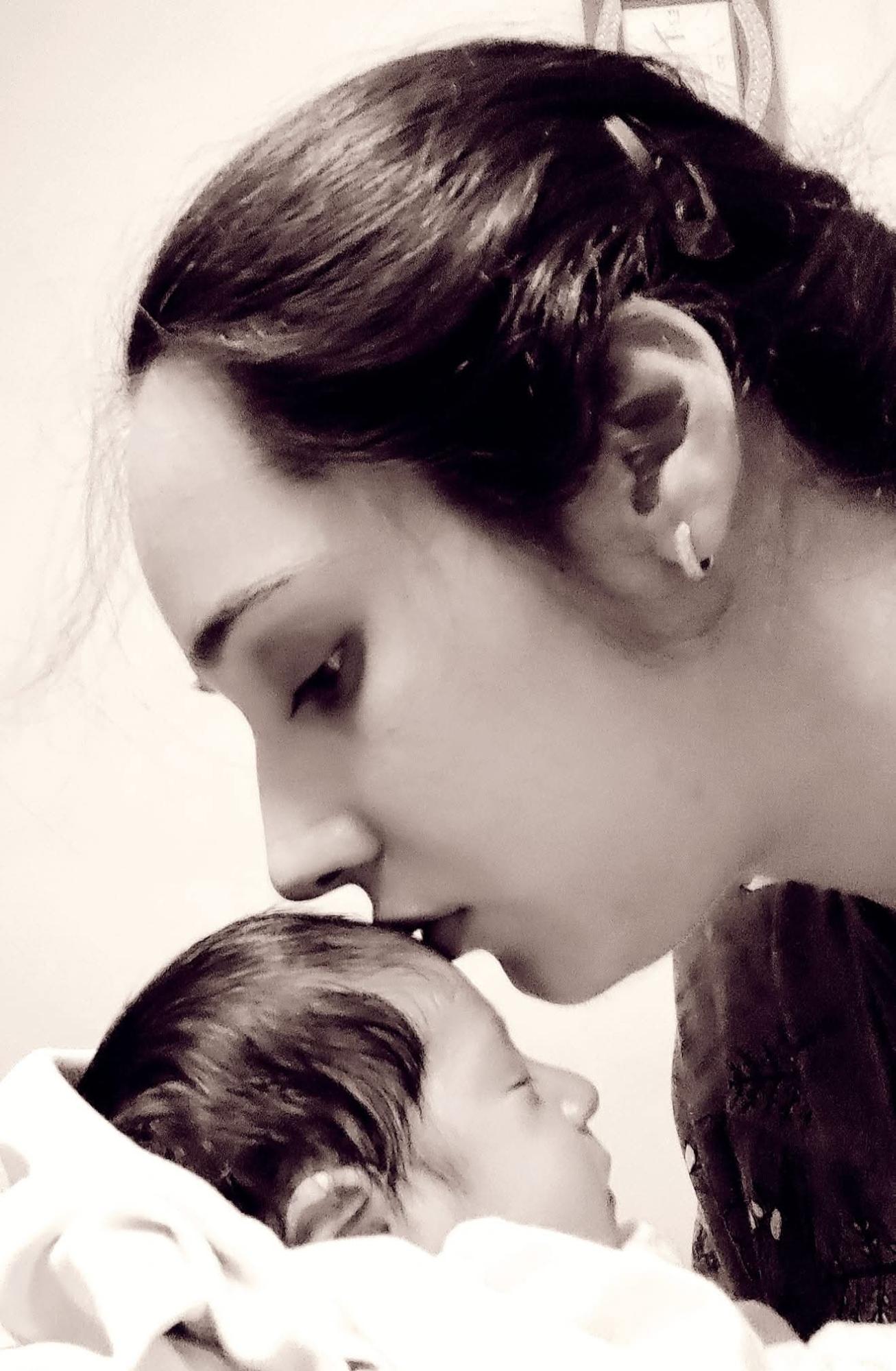
Motherhood is often regarded as one of the most intense and rewarding experiences in a woman’s life. Along with joy and laughter, it involves innumerable emotional challenges and extraordinary resilience, which is rarely visible in other realms of life. In the journey of motherhood, a profound transformation happens. The moment I saw my child, I was in love with her, or perhaps I was in love with her before she was born. Each moment spent together, from sleepless nights filled with her gentle breathing to messy feeding sessions, forcing her to take medicine for a fever, navigating tantrums and answering her endless questions, and completing school projects, turned me into her nurse, friend, teacher, and even her personal Google.
From the moment a child enters the world, an implicit bond begins to form. This bond is based on the child’s belief that their mother is capable of everything. To a child, a mother’s hugs can shield them from the terrible thunderstorms, at her command, lost stuffed toys emerge, broken toys get fixed, and her mere presence is enough to frighten the monster of darkness.
The concept of secure attachment is wonderfully illustrated by a child’s belief that “My mom can fix anything.” According to John Bowlby’s Attachment Theory, a caregiver plays a pivotal role in providing a secure base for exploration. When a mother is emotionally present, responsive, and consistent, a child develops a strong sense of safety and confidence in their surroundings. The mother’s influence becomes an invisible but powerful source of confidence, allowing the kid to explore the world knowing they are supported and never alone.
But here’s the amazing paradox: it is this very faith that creates the superwoman, but it’s also what makes her cape so excruciatingly heavy. Because the cape she dons is not crafted from silk — instead, it is forged from steel. Each expectation adds another layer to her steel cape, the weight of always knowing the answer, to never revealing her vulnerabilities, always being available, and possessing limitless patience.
From my experience as a psychologist, I’ve observed that what stands out the most is the emotional labour mothers invest in their children’s lives. To ensure that their child feels safe and supported, they would often sacrifice their own well-being. This dual role can lead to “maternal burnout,” stressing the intense physical and emotional toll motherhood can take.
The most striking thing is how women have often internalised this superhuman narrative so completely that they have forgotten their humanity. They have forgotten that being a good mother is about being there, being authentic, and not about being perfect. As a psychologist, I had read about early childhood development, regulation, and secure attachment. But as a mother, I felt it. When parenting gets overwhelming, I remind myself of what I often tell my clients, “Fixing what’s broken matters more than perfection.”
I also witnessed how our children don’t want us to be perfect, but rather emotionally sensitive. The child who grows up seeing their mother as perfectly invincible may struggle with their own imperfections. But the child who sees their mother as imperfectly human learns that love doesn’t require perfection. The broken toy doesn’t need to be repaired exactly, but with love, the lost object doesn’t need to be found immediately but with patience, the storm doesn’t need to be halted but it does require a willingness to be present in fear.
To conclude, the cape of motherhood will always be of steel because it is instinctual to love your child more than oneself, and a child’s sacred faith will transform a woman into a superwoman, but the catch is that superpower is found not in their ability to be perfect, but in their commitment to be there. The most superhuman thing you can do is love someone more than yourself and be willing to do the impossible. This does not lessen the child’s faith; rather, it transforms it. Rather than believing in their mother’s perfection, they build faith in her love, effort, and humanity.
— Mandeep Kaur, Psychologist and Mother