Growing Up Under Pressure: The State of Teen Mental Health in India
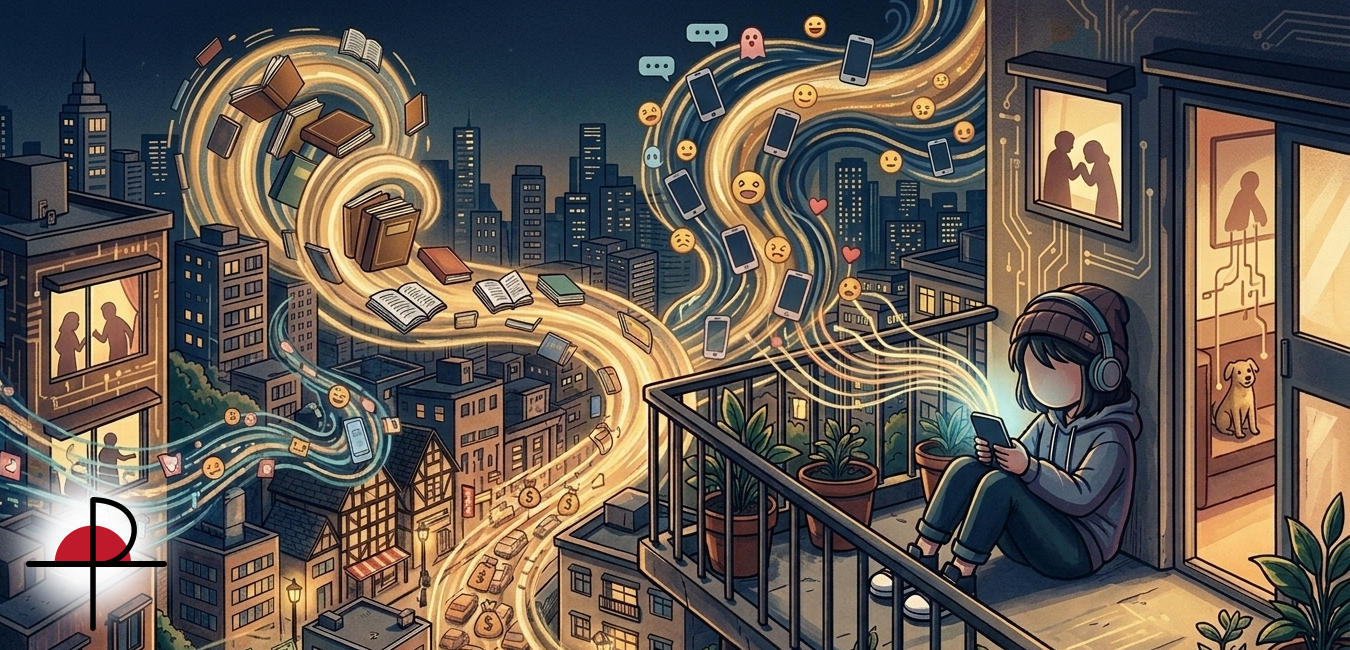
India today has one of the largest adolescent populations the world has ever seen. But growing up here in 2026 looks nothing like it did even fifteen years ago. Today’s teenagers are navigating exam pressure that begins before they’re old enough to understand what a “career” even means, family structures that are shifting faster than anyone can adapt to, relationships that play out partly on screens, and a global backdrop of war headlines and climate anxiety that older generations simply didn’t grow up with.
At PsychLine, we work with adolescents every day, and we see these pressures up close. This post looks at what the research actually says about teen mental health in India, why these pressures are different from what previous generations faced, and what real, accessible support can look like.
The Weight of Academic Pressure
Academic competition in India starts early and rarely lets up. By the time a child reaches secondary school, they may already be juggling school, tuition classes, competitive exam coaching, and extracurriculars meant to “build a profile.” For many teens, self-worth becomes tightly fused with marks, ranks, and college admissions — leaving little room for the normal ups and downs of adolescence to feel okay.
Research backs up what families already sense. A systematic review and meta-analysis of mental health problems among rural adolescents in India found meaningful rates of depression, anxiety, and emotional difficulties across the studies examined (Nair et al., 2022, Scientific Reports). In urban settings, the numbers are striking too — a cross-sectional study in Delhi found that more than a third of adolescents screened showed signs of an anxiety disorder, with social anxiety being the most common form (National Journal of Community Medicine, 2025).
What’s important here is that this isn’t a small subset of “troubled” kids. These numbers suggest that anxiety and academic stress have become close to a shared adolescent experience — which is exactly why it needs to be talked about openly rather than treated as an individual failing.
Family Conflicts and Shifting Dynamics
Indian families are going through real structural change. Joint families that once offered built-in support systems — grandparents, aunts, cousins, a constant presence of people — are increasingly nuclear, often spread across cities or countries. At the same time, parenting styles are caught between generations: parents raised with strict, hierarchical expectations are now raising children exposed to global ideas about communication, autonomy, and mental health.
This creates a specific kind of friction. Teens may feel unheard at home, while parents may feel their authority and traditions are being questioned. Add financial stress, long working hours, and the pressure many families feel to “keep up appearances,” and home — which should be a safe base — can become another source of tension rather than relief.
Relationships, Identity, and the Search for Belonging
Adolescence has always been the stage where young people figure out who they are — separate from their parents, in relation to their peers, and in terms of their own values and identity. But Indian teens today are doing this while also negotiating questions their parents’ generation rarely had to confront so openly: questions about gender, sexuality, career paths that don’t fit traditional molds, and values that may differ sharply from family expectations.
Friendships and early romantic relationships, which used to play out mostly face-to-face, now exist largely online — through messaging, social media, and constant connectivity. This can deepen some relationships, but it can also amplify miscommunication, jealousy, and the pain of being excluded (a group chat someone wasn’t added to, a post someone wasn’t tagged in). For teens already uncertain about who they are, these dynamics can hit identity and self-esteem especially hard.
The Digital World: Comparison, Competition, and Cyberbullying
Perhaps no factor has changed adolescence in India more than the smartphone. Indian tweens and teens now spend significant amounts of time online — research indicates that over 70% spend more than five hours a week on the internet — and that exposure comes with real risks.
Cyberbullying has emerged as a genuine public health concern. A narrative review published in Cureus (2024) found that reported rates of cyberbullying among Indian adolescents vary widely across studies, ranging from roughly 3% to over 60% depending on how it was measured and the population studied — but even the lower estimates represent a significant number of young people. More concerning is what happens after: a three-year longitudinal study using data from the UDAYA surveys in Uttar Pradesh and Bihar found that adolescents who experienced cyberbullying had a significantly higher risk of depression and suicidal ideation, and that these effects didn’t fade quickly — they persisted over time (BMC Psychiatry, 2022).
Beyond bullying, there’s the quieter, constant pressure of social comparison — seeing curated versions of other people’s lives, achievements, bodies, and relationships, and measuring oneself against an impossible standard. For teens whose sense of self is still forming, this can be corrosive in ways that aren’t always visible to parents or teachers.
Financial Pressure and Economic Anxiety
Even teens who aren’t earning money feel the weight of financial pressure at home. Rising costs of education, coaching classes, and basic living expenses mean many families are stretched thin — and children often absorb this stress even when no one explicitly tells them about it. Older teens, especially those from less privileged backgrounds, may also feel pressure to start contributing financially or to choose “safe” career paths over ones they’re genuinely interested in, purely out of economic necessity.
A New Kind of Existential Weight: War, Climate, and the Future
This generation of teenagers is the first to grow up with constant, real-time access to news about wars, climate disasters, and global instability — not as occasional headlines, but as a steady stream on the same devices they use for homework and entertainment. Many adolescents report genuine anxiety about the kind of world they’ll inherit: Will there be a livable planet? Will there be stable jobs? Is the world becoming more dangerous?
This isn’t irrational catastrophizing — it’s a reasonable emotional response to information overload about real global challenges, often without the context, perspective, or coping tools to process it. Left unaddressed, this can contribute to a pervasive sense of hopelessness that colors how teens think about their own futures.
Hormones, Brain Development, and Why Adolescence Is Different
It’s worth remembering that underneath all of this social and digital change, adolescent brains are doing something biologically unique. The teenage years involve major hormonal shifts and significant brain development — particularly in areas related to emotional regulation, risk assessment, and impulse control. This is precisely why emotions can feel more intense, why small setbacks can feel enormous, and why teens may seek out novelty, risk, or substances more readily than adults.
Substance Use as a Coping Mechanism
For some teens, the combination of academic stress, family conflict, identity confusion, and digital pressure leads to substance use — sometimes as a way to fit in, sometimes as a way to numb difficult emotions, and sometimes simply due to curiosity combined with limited understanding of risk. Substance use in adolescence is rarely just about the substance itself; it’s often a signal that a young person is struggling to cope with something underneath, and needs support rather than judgment.
Why Generic Mental Health Support Isn’t Enough
A 2025 systematic review published in the Indian Journal of Community Medicine looked at the barriers and facilitators adolescents in India face when trying to access mental health care. It found that most of the existing evidence comes from a handful of urban areas — primarily Delhi, Goa, and Kerala — leaving a significant gap in understanding rural adolescent mental health needs. The same review identified stigma, low mental health literacy, and a shortage of trained professionals as the most significant barriers to care.
This matters because it tells us two things: first, that the support systems available don’t yet match the scale of the need; and second, that for support to actually work, it has to be designed specifically with adolescents — and the Indian context — in mind, not borrowed wholesale from adult mental health models or from approaches developed in entirely different cultural settings.
The PsychLine Approach: Three Pillars
At PsychLine, our work with teens is built on three commitments:
Evidence-based care. Our approach is grounded in the research above and the broader scientific understanding of adolescent development, anxiety, depression, and the impact of digital environments on mental health. We don’t rely on guesswork — we use approaches that have been studied and shown to help.
Culturally adapted to the Indian context. We understand that a teen in India is navigating joint or extended family expectations, academic systems unlike those elsewhere, language and regional differences, and social norms around mental health that are shifting but still carry stigma. Our therapists work within this reality rather than against it — supporting teens without dismissing the family and cultural context they live in, and offering sessions in multiple languages.
Ethically delivered care. Working with adolescents requires particular care — around confidentiality, around how much is shared with parents, around creating genuine safety rather than just compliance. Our team includes professionals with specialised experience in child and adolescent mental health, trained to meet teens where they are: not as “small adults,” but as people at a unique developmental stage who need to feel heard, validated, and respected before they can open up.
You’re Not Alone in This
If you’re a teen reading this and recognizing your own experience in it — academic pressure that feels crushing, friendships that feel complicated, a world that feels overwhelming, or just a heaviness you can’t quite name — none of that makes you broken or weak. These are real responses to real pressures, and they’re treatable.
And if you’re a parent who’s noticed your teen pulling away, struggling, or just not seeming like themselves — reaching out for support isn’t a last resort. It’s one of the most caring things you can do.
PsychLine offers affordable, culturally sensitive online therapy with qualified professionals who understand adolescent mental health in the Indian context. Reach out on WhatsApp at +91 9993954009 or visit www.psychline.in to book a session.
This is a sensitive topic, and if you or someone you know is struggling with thoughts of self-harm, please reach out to a mental health professional or a crisis helpline in your area.
Editor’s note: This article was developed using AI-assisted drafting. The research direction, source material, and editorial judgment were provided by the author.
References
- Nair, S., et al. (2022). Prevalence of mental health problems among rural adolescents in India: A systematic review and meta-analysis. Scientific Reports, 12, 16543.
- National Journal of Community Medicine (2025), 16(2).
- Cureus (2024). Silent Screams: A Narrative Review of Cyberbullying Among Indian Adolescents. PMC11376467.
- BMC Psychiatry (2022). The effects of cyberbullying victimisation on depression and suicidal ideation among adolescents and young adults: a three-year cohort study from India.
- Indian Journal of Community Medicine (2025). Barriers and Facilitators for Accessing Mental Health Care and Support for Adolescents in India.
Related Posts
Bipolar disorder is more than mood swings — it’s a serious mental health condition affecting millions in India. Learn about its symptoms, causes, treatment options, and why early detection matters.
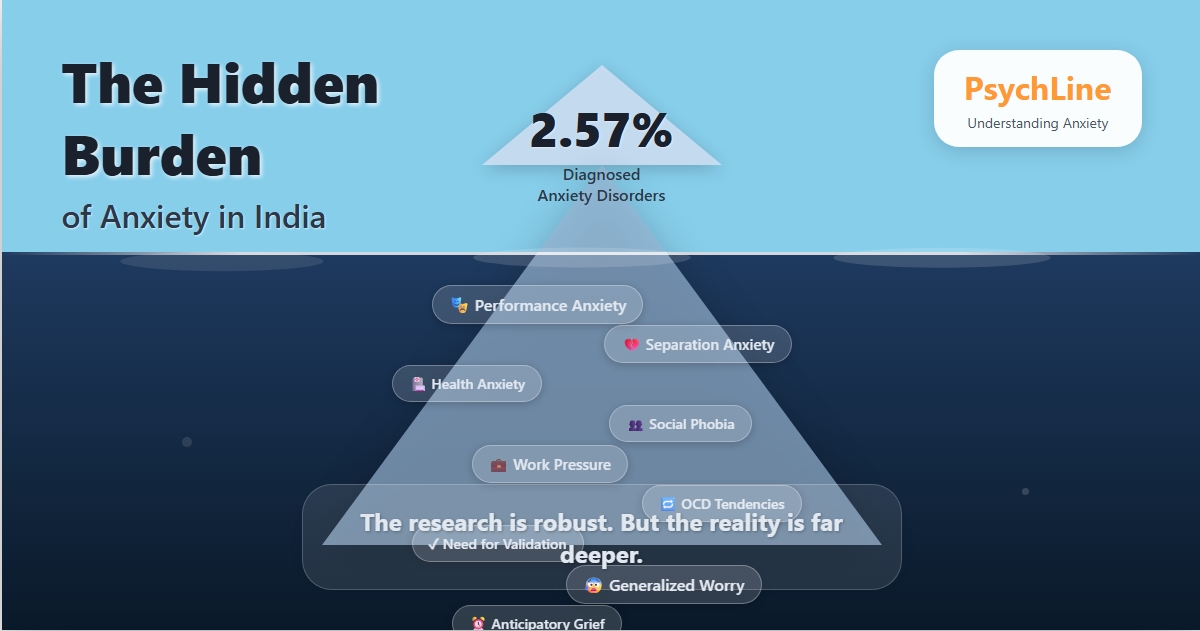
Understanding anxiety disorders in India - prevalence, cultural factors, treatment gap, and how online therapy provides accessible mental health support. Expert insights on managing anxiety with culturally sensitive counselling.

This blog entails an account of “Separation Anxiety Disorder (SAD)” and its manifestations in both childhood and adult life!

Understanding depression - symptoms, causes, types, and treatment options. Learn why depression is not sadness and how to seek professional mental health support and therapy.